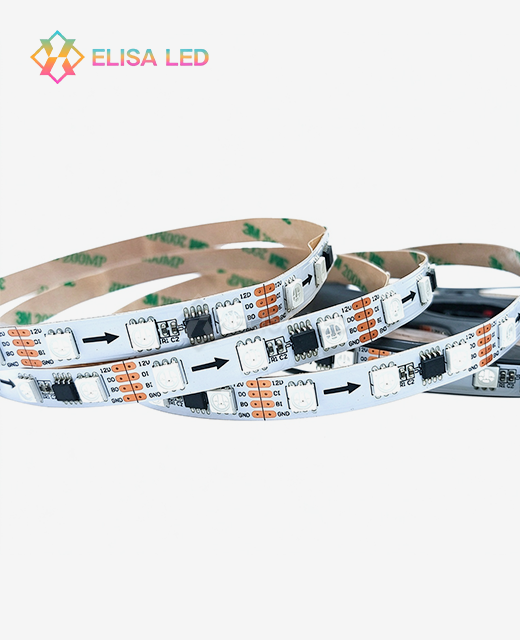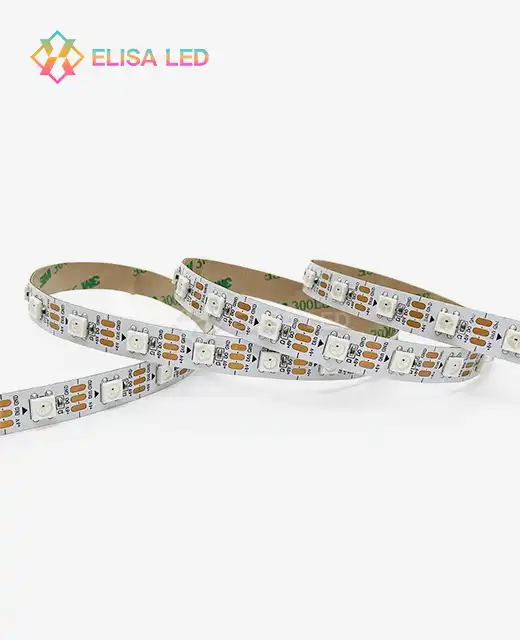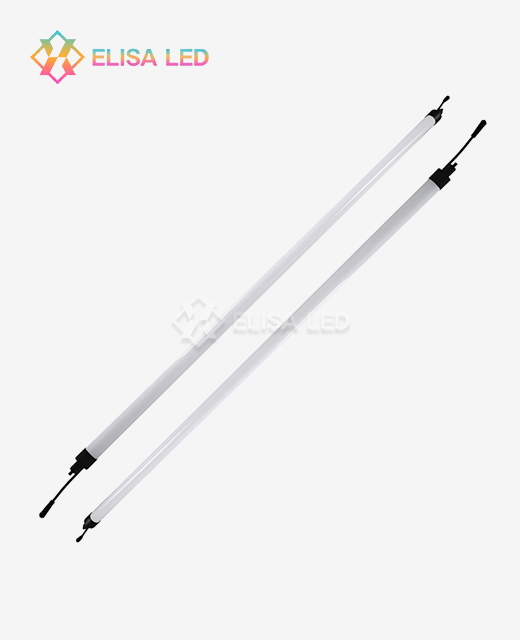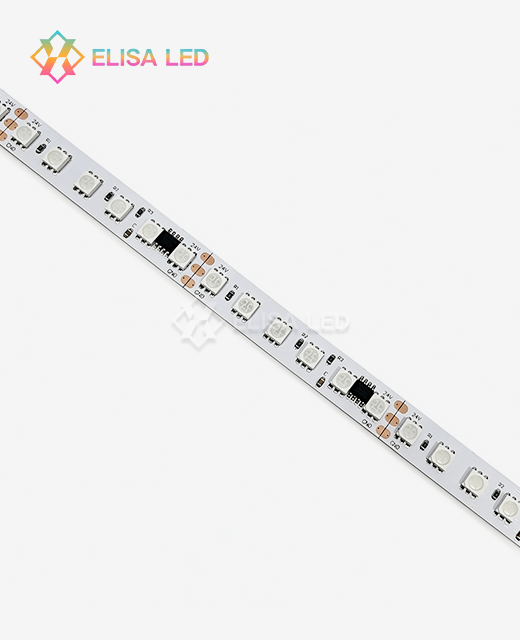
60mm LED Pixel light
Model No.: XXA-6016/6018/6018S-360D
0.24w/led
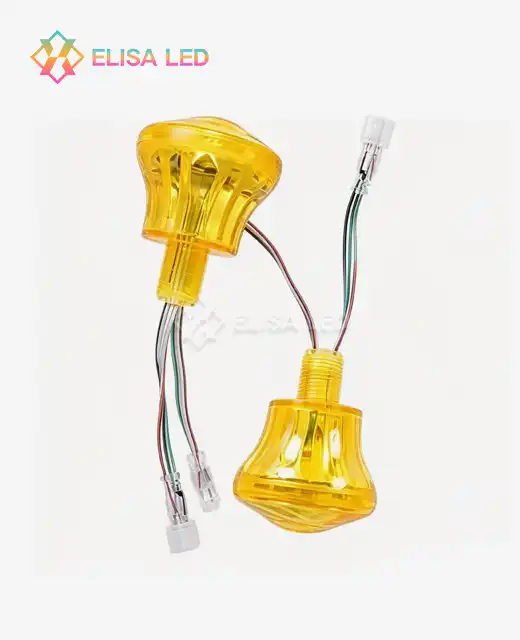
frosted/clear shell
Free sample available
Lead Time: 3-5days
0.24w/led
frosted/clear shell
Free sample available
Lead Time: 3-5days
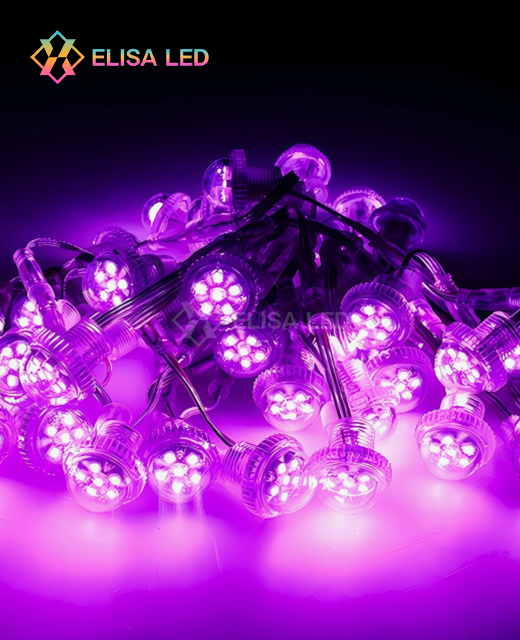
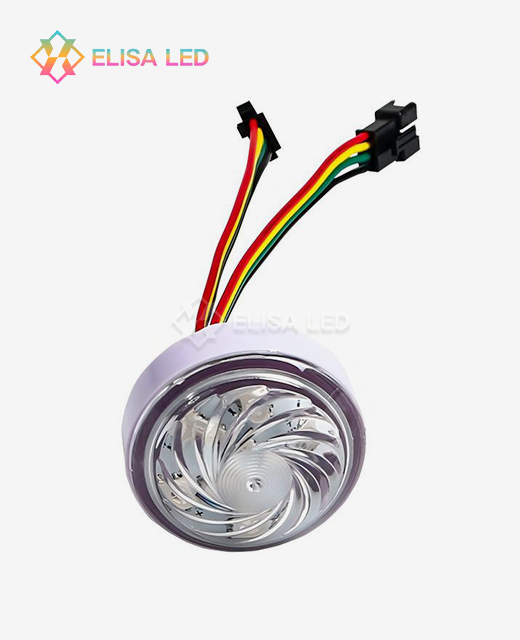
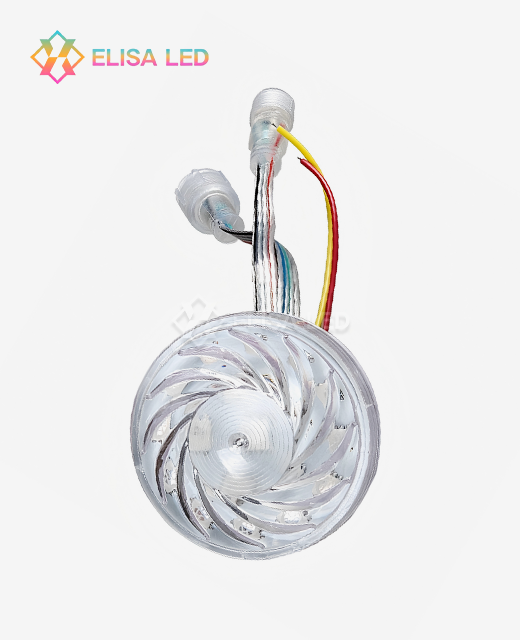
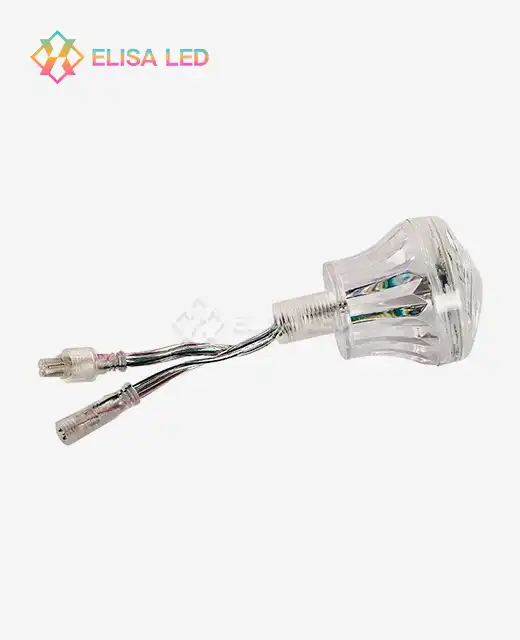
Shenzhen Elisa LED Co., Ltd manufactures the 60mm LED Pixel light for large-scale outdoor architectural and entertainment lighting projects. It has a 60mm polycarbonate enclosure, SMD5050 RGB LEDs, and a working voltage of DC24V. IC support UCS1903, GS8206 protocols. Each pixel has an RGB output of 3.84W-16leds/4.32W-18leds that can be controlled separately by each pixel. The module comes in 16-LED and 18-LED versions and can have a spiral or vertical cover. It is designed to be visible from far away, output consistent colours, and work well outside.


The device is a point source lighting module housed in a 60mm diameter polycarbonate casing. It has SMD5050 RGB LEDs and an addressable IC that allows for individually programmable, full-color output over vast arrays of pixels.
The 60mm housing allows for greater interior room to control heat and diffuse the optics than smaller pixel configurations. This makes it a viable choice for media facades, bridge illumination and architectural highlights when viewing distance and long term outdoor durability are important.
| Parameter | Details |
|---|---|
| Part Number | XXA-6016/ 6018 / 6018S-360D |
| Diameter | 60mm |
| Mounting Hole | 19mm |
| LED Type | SMD5050 RGB |
| LED Quantity | 16 LEDs / 18 LEDs / 18 LEDs (Front 12 + Back 6) |
| Power | 3.84W / 4.32W |
| Voltage | DC24V |
| IC Protocol | UCS1903 / GS8206 |
| Shell Type | Frosted / Clear |
| Sample | Free sample available |
| Lead Time | 3–5 days (sample); 7–10 days (custom order) |
The 60mm pixel operates on DC24V, which helps keep voltage drop manageable across longer cable runs. For runs exceeding 15–20 pixels, power injection is recommended to maintain uniform brightness across the installation.
The housing is made of anti-UV polycarbonate (PC) material which prevents yellowing and splitting under extended sun exposure, ensuring outdoor structural integrity over time.
Each unit allows breakpoint continuous transmission – if one pixel fails data signal continues to the next unit in the chain. This is useful for huge architectural arrays where one failed pixel should not bring down the whole display.
This 19mm mounting hole is compatible with conventional mounting brackets for easy installation on big size projects.
Choosing between RGB and RGBW affects both visual output and system design:
For most architectural facade and entertainment projects using this 60mm pixel module, RGB with UCS1903 or GS8206 protocol covers the majority of use cases effectively.
Ferris Wheels and Amusement Structures: The mounting design and PC housing are suited to environments with mechanical vibration and wind load on rotating structures.

Signage and Brand Facades: Individual addressable RGB output enables for colour zones to be controlled accurately, ideal for corporate building branding and shopfronts.

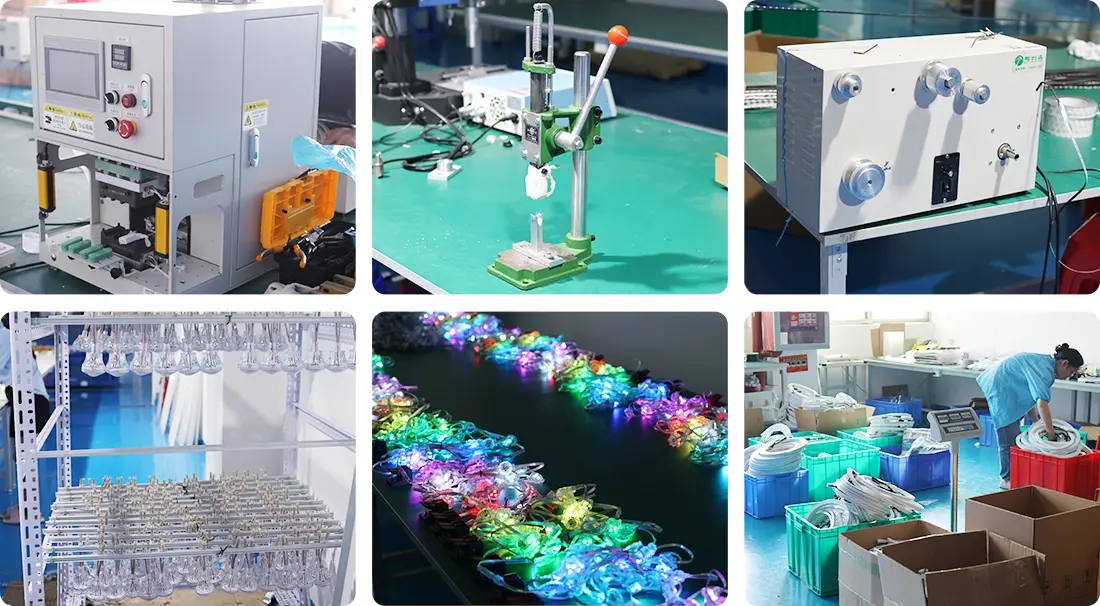
ElisaLED conducts structured product testing to support consistent output across batches for 60mm LED Pixel light:
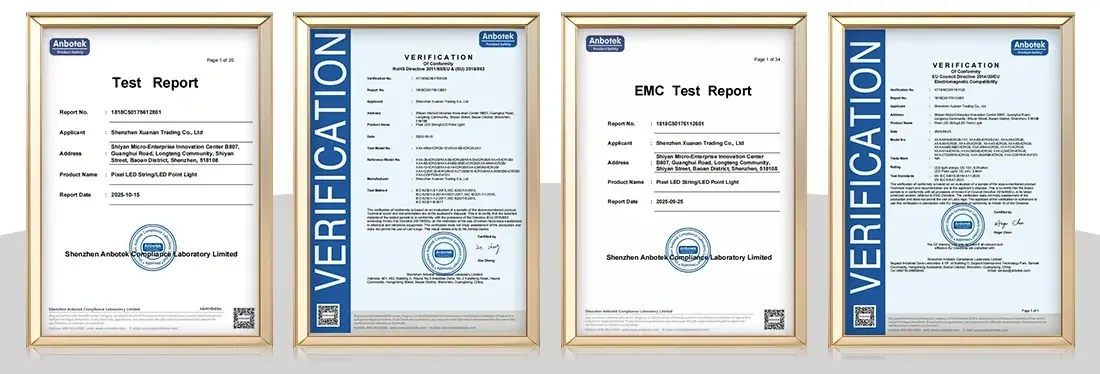
ElisaLED enables OEM/ODM manufacturing, from PCB design, LED chip selection, controller IC, housing, wiring and packaging Standard bespoke orders ship in 7 to 10 days.
The team also offers project consultancy, technical support and after-sales service. Free samples are available for assessment before a production purchase.
Q: What is the difference between RGB and RGBW LED pixel light?
A: RGB outputs colour using red, green and blue channels. RGBW adds a separate white channel, allowing the same fixture to provide both saturated colour scenes and pure white light depending on the control input.
Q:When is RGBW a better fit than RGB for architectural lighting?
A:RGBW suits projects that need reliable white-mode lighting alongside color-changing scenes — for example, a building facade that runs white during business hours and switches to color displays at night. RGB is the more cost-efficient choice when white output is not part of the operating schedule.
Q:Which configuration works better for building branding?
A:RGB handles saturated brand colors and dynamic visual effects well. If the building also needs consistent white illumination on a daily schedule, RGBW is the more practical option.
Q:Can the product produce both white and color output?
A:Yes, when configured as RGBW. This requires that the controller, voltage, wiring, and product variant are correctly matched to support the RGBW channel structure.
Q:What should I review before specifying LED pixel lights for an outdoor project?
A: Key aspects to consider are waterproof rating, temperature range, UV exposure, cable routing and connection protection, mounting technique, control system compatibility, maintenance access, and suitability for RGB or RGBW if you're planning to use a lighting schedule.
Q: This pixel module, DMX512 or SPI protocol do I use?
A: For professional architectural installations, DMX512 is normally the favoured choice because to the reliability of long distance signals, and the standardised addressing. SPI is an economical choice for smaller/décor applications with shorter signal runs.
Request a free sample or send your project requirements to inquiry@elisaled.com. Our team is ready to assist with product selection and technical consultation for 60mm LED Pixel light.